
As we enter Q3 2026, the sourcing landscape presents complexity upon complexity as we’ve come to expect. The C market is down, fuel costs are up, & FOB prices at origin are holding their ground. We’re keeping a tight watch on all things logistical as we move into sourcing in the southern hemisphere for the fall & winter months.
Read on for the scoop on logistics, the C market, & every origin in which we work. Click here to listen.
Logistics, Port, & Warehouse Updates
While there’s a ton of upheaval in the logistics arena as always, we continue our active practice of building stability through careful planning & constant communication. Overall, we’re looking at some potential good news as we kick off this quarter, although challenges & complications remain.
Peace Agreements & Traffic through Hormuz
On Friday, June 19, the US & Iran signed a 60-day memorandum of understanding facilitating the partial reopening of the Strait of Hormuz, among other provisions. Conditions will take time to return to status quo even once traffic returns to normal, which it has not yet done.
In reality, uncertainty abounds around this critical waterway, through which about one fifth of the globe’s oil passes. Oil transits have surged despite a confused, two-tier system now operating in the strait, which remains split between an Iran-controlled northern route & a US-protected southern Oman corridor, with pre-war routes still rendered unusable because of the risk of mines separating them.
The peace agreement, though repeatedly disrupted since its signing by violations of ceasefire, would hopefully alleviate these conditions in time. Meanwhile, there’s still a sharp increase in oil transit, which should offer some relief at the pumps & beyond.
Fuel Prices
Gas prices remain elevated, increasing trucking rates. Some carriers are charging as much as 44% fuel surcharge, & the spot rates swing wildly based on the origin/destination pairing.
Ocean freight rates were already elevated, but rose rapidly over May/June to their highest levels of 2026. Unpredictability & transit times are up. Our trade partners report these issues are worst in Asian freight lanes, but we’ve heard conflicting accounts.
Congestion
The US is reportedly seeing normal traffic at ports, with possible credit to workflow improvements made since the pandemic. South America & Europe appear to be seeing the worst capacity crunches.
Panama Watch
The Panama Canal is prepping for restricted capacity as drought appears on the horizon due to El Niño patterns.
US Customs & Border Patrol Activity
Trade partners report that they’re seeing a sharp increase in US Customs & Border Patrol activity. VACIS (X-ray) exams are on the rise, & a larger percentage of arrived containers selected for VACIS exam move on to an intensive exam, where customs physically open container doors, inspect bags, & sometimes open them. Intensive exams bring higher costs & increase lead times.
Tariffs
On February 20, the US Supreme Court issued a ruling finding the Trump administration’s IEEPA tariffs unlawful. Following the ruling, USCBP officially stopped collecting IEEPA tariffs. President Trump announced a 10% global tariff shortly after the ruling, from which green coffee was explicitly exempt.
Since then, USCBP created a system for filing claims for importers to receive refunds for tariffs paid. We have filed for refunds through our trade partners & will keep clients posted on refunds once we receive them. However, the administration has utilized legal maneuvers to defend its policies & delay refunding previously collected duties.
Supply, Demand, & The C Market
After a year & a half of historic spikes, policy shocks, tariff whiplash, tight financing, & constant recalibration, the coffee market is finally offering a little more breathing room—at least on paper. But, whether a lower C market yields real-world relief is a different story entirely.
Price-wise, the C market has come down substantially from the highs of the last cycle & is now trading in the high-$2s. Brazil’s harvest is underway & the broader conversation has shifted from panic buying & supply fear toward whether this new crop can provide real relief for those purchasing at the commodity level (&, to a lesser degree, the rest of us as a knock-on result). It’s not a given. Certified stocks remain tight, weather interruptions in Brazil have reminded everyone how quickly sentiment can shift, freight remains vulnerable to geopolitical disruption, & origin pricing for the coffees we buy continues to behave very differently from the C.
For us, the work remains the same: stay disciplined, communicate clearly, support our producing partners with committed demand, & help roasters build sensible plans for a market that is lower than it was, but still far from simple.
The movement to the sub-$2 market is real, & could offer some psychological relief. It’s also tempting to look at Brazil’s large crop expectations & assume that particular pressure is coming off. However, we would be careful with that assumption.
Yes, Brazil is expected to produce & export significant volume this year, which would help replenish global availability, give the market more physical coffee to work with, & create downward pressure. But, we are still seeing several factors keeping the floor higher than many would have expected in past cycles.
First, certified stocks remain low. That means the market still does not have a cushion to lean on. Second, Brazil’s harvest has already seen weather interruptions. That does not rewrite the crop outlook, but it does remind the trade that harvest size & usable quality are not the same thing. Third, producers are better capitalized than in past downturns & are not necessarily forced sellers. That can slow the flow of coffee even when total production looks strong.
Demand also continues to matter. Despite the price shock of the last year, coffee consumption has held up, & specialty coffee continues to show strength. At origin, sourcing remains competitive. We say this often because it remains true. Top lots are still priced around quality, scarcity, relationships, financing realities, & local competition. A lower C market does not automatically translate into easy buying at the qualities we need or a lower price to acquire them. In many cases, it simply changes the negotiation landscape while the best coffees are even more highly contested.
Our approach is to continue to manage our spot position carefully, keep quality standards high, & avoid chasing volume that does not fit our model. We will also continue to look for opportunities to present strong value when the market gives us room to do so. The goal is not to be cheaper in a lower market. The goal is to be better prepared, better aligned, & more useful to both sides of the supply chain. We understand that forecasting remains difficult. Many roasters are still adjusting to a new retail reality, higher consumer prices, tighter margins, & more cautious purchasing behavior. We are experiencing the same uncertainty from our side. But we believe the best path forward is still the same: communicate early, plan thoughtfully, & stay close to the coffees & relationships that matter most.
The market may have stepped down from its highs, but it has not returned to the old normal. Maybe that is the lesson of this cycle. Relief is not the same as stability, & a lower C does not erase the structural pressure in specialty coffee. Our job is to keep building stability inside that reality—with clear sourcing, disciplined buying, transparent communication, & the quality you expect from Red Fox.
Peru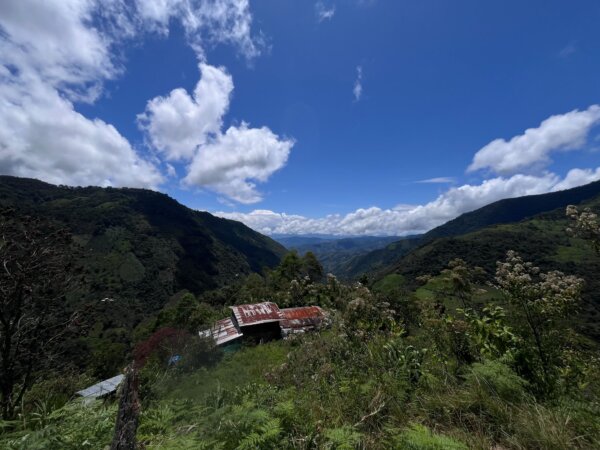
It has been an eventful quarter in Peru. The second-round presidential election took place on June 7 between conservative candidate Keiko Fujimori & progressive candidate Roberto Sánchez. The race remained too close to call for several weeks, but Fujimori ultimately established an irreversible lead. Fujimori is scheduled to assume office on July 28, becoming Peru’s ninth president in the past ten years.
Despite the significant drop in the C market from this time last year, local prices for coffee remain high as buyers try to cover short positions. In June of 2025, local prices averaged 22-23 soles per kg of parchment (USD $6.62 with today’s exchange rate). While cherry prices are down, we estimate a reduction regionally anywhere from 10-15% varying by region, which is not commensurate with the C market’s descent.
Additionally, production is down across Peru, though the reduction varies by region & farm. The suppliers we work with have reported production decreases as low as 10% & as high as 25%. A cyclical downturn was expected in 2026, but a less dramatic one. We expect saturated competition across all producing areas through summer & likely into fall.
We will host key supply chain partners at our Lima office next week for annual calibration, planning, & general discussion now that the season is underway. Quality control staff from each group will calibrate with the Red Fox team at our lab, & we’ll host an off-site training session for general or commercial managers on the coffee trade. On the second day, the primary social lenders we work with will present to producer groups & be available to meet with them to discuss financing options.
Available Lots
We have begun new crop selection & will begin shipping coffee from the north in July. Cusco will begin shipping in August. Fresh coffees will land stateside beginning late summer with arrivals continuing to land weekly into the new year.
Rwanda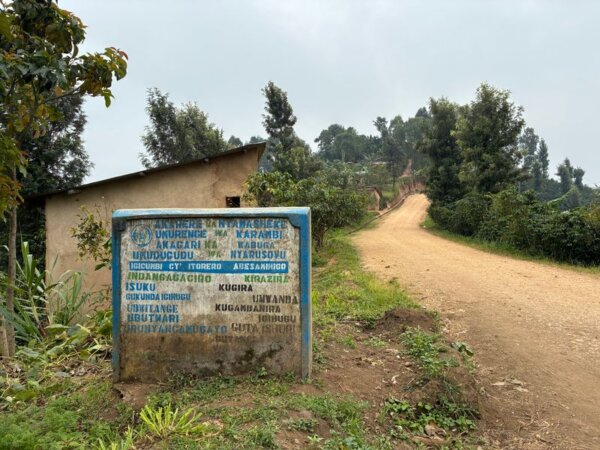
At time of writing, the Rwandan harvest is 95% complete following an early start. The coffees from the east & the lowlands are completely harvested, while higher elevations in the west have about 15% of the crop left to pick. Roughly 60% of parchment has finished drying & is either queued to be milled for export or is already packed & ready to go.
After a larger than usual crop in 2025, projections have volumes down around 30%. Competition on the ground was fierce & cherry prices were high despite the C market price coming off. Partners at origin expect the country to export 280-300,000 bags in 2026.
Available Lots
The first offers from Kanzu have been approved, with the first shipment of both washed & naturals scheduled to go afloat in July. Early quality indications are excellent. We’ll be opening forward booking on these coffees shortly, so stay tuned.
Burundi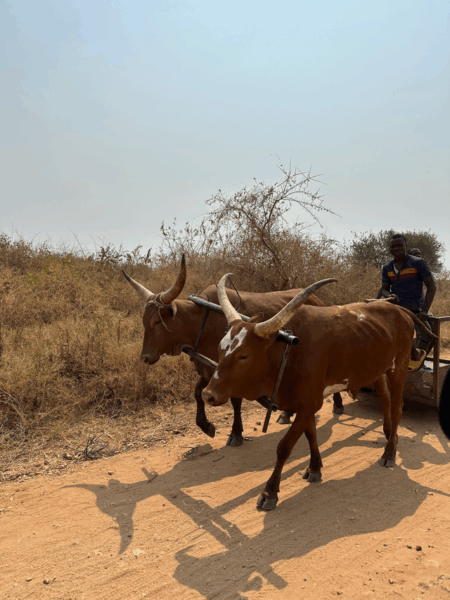
The Burundi harvest has been strong with excellent rainfall in the northwestern areas of the country, but production in the east & south has been lower than the previous season. Our supply chain partners will be wrapping up their harvest season in the coming weeks, closing their stations by July 15 with earlier outturns of dried parchment en route to the dry mill now.
In Burundi, the coffee governing body ODECA sets prices each year based on several factors, including the C market. Last year, in response to the high C market, they doubled cherry prices. This year, they’ve elected to keep cherry prices the same as last year’s, despite a C market that’s come off significantly. While those high prices benefit smallholder farmers, they also present a challenge to washing stations and exporters who were hoping for relief with the current C market price. That’s causing tension between farmers and buyers.
Additionally, rising fuel costs are hitting the already fuel-limited Burundi very hard. Most of Burundi’s washing station owners aren’t tapped into the electrical grid & rely on fuel to operate their pulpers far off the beaten path up country, so they’re extremely vulnerable to those cost increases.
Available Lots
Early expectations for quality are high as we look forward to tasting fresh offers in-country later this summer from our producer partners in Kayanza & Ngozi. We will begin shipping fresh Burundian coffees by September. Look out for updates on forward booking opportunities in the next few weeks. Please reach out to your Red Fox rep with any questions & stay tuned.
Mexico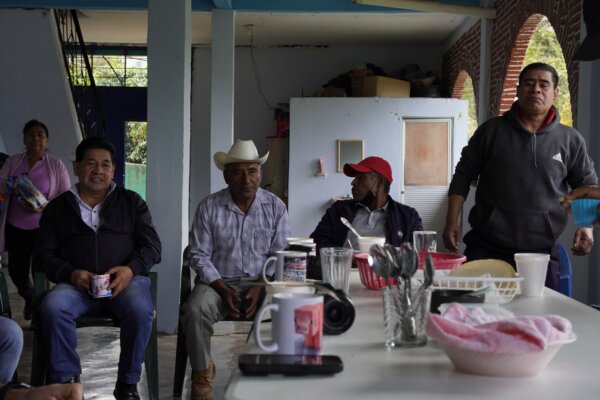
Producers in the higher-altitude zones of the northern Sierra of Puebla are still bringing their final coffees into the warehouse, but the wider harvest is complete & dry mills are running full bore. Our team in Mexico is overseeing the milling of the final two containers out of Puebla & Oaxaca.
Despite a dropping C market, local parchment prices have remained high throughout the season & demand for coffee locally in Mexico, as well as in the export market, remains robust, reflecting a relative short term scarcity for quality coffee.
Available Lots
All arrived lots this harvest have been sold thus far, but stay tuned or get in touch with your rep for more info on available lots from the last remaining shipments into the US from Oaxaca & Puebla.
Colombia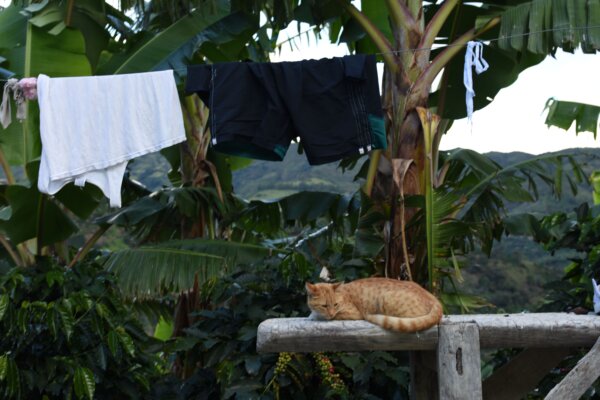
Colombia’s season is proceeding well with good weather conditions in the areas we source. Nariño harvest has begun after a few months of drought, with rains arriving as harvest began. Producer partners in Tablon are buying coffee from the lowlands. They have also made the upgrade from patio drying to installing coffee dryers to improve consistency as the rains in the southern region will arrive soon. The harvest is looking good.
Politically, Colombia’s presidential election, which went to a runoff on June 21, led to the election of right wing candidate Abelardo de la Espriella. The country is in a state of high polarization. Elections have caused the currency valuation to plummet, pushing parchment & FOB costs through the roof. The trade is hoping to see some stabilization in the aftermath of the election.
In Cauca, clashes over territory continue between armed groups & security forces. There have been kidnappings of merchants, attacks on communities, & anti-government protests, creating chaos in the region.
Available Lots
Our team will be on the ground in Colombia later this month for selection. Fresh crop coffee will go by September, including decaffeinated offerings from Nariño. Please reach out to your Red Fox rep with any questions.
Bolivia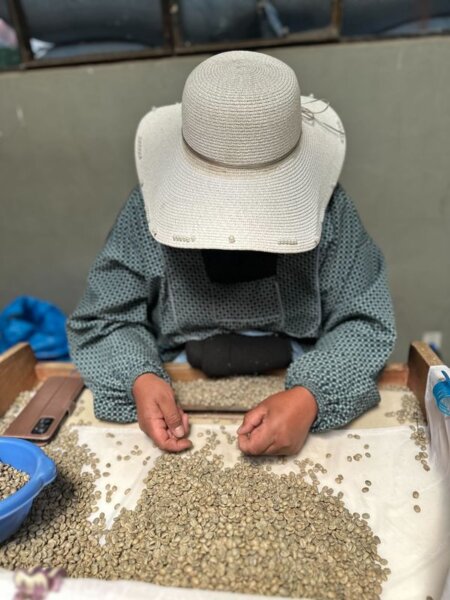
Bolivia in the midst of its worst economic crisis since the 1980s. Fuel shortages continue to worsen, with some gas station fuel lines reportedly reaching over several kilometers long. Sources report constant roadblocks around the country, with protesters citing fuel shortages & a dramatic increase in cost of living as their impetus. In turn, these roadblocks have created food & medicine shortages from La Paz to Cochabamba.
While the harvest is now well underway in all Bolivian producing regions (including Caranavi & Santa Cruz, where we do the bulk of our sourcing), our teams have been stymied in their efforts to reach these areas due to the heavy turmoil & political unrest across the country.
Our conversation with producer partners on the ground since last season have revolved around improvements to processing protocols at the wet mill. We look forward to tasting advancements in quality this season. We expect our team to be able to access the route to Caranavi in the coming weeks.
Available Lots
We are currently out of Bolivian stock across the US warehouses but anticipate new crop shipments beginning later this summer.
Kenya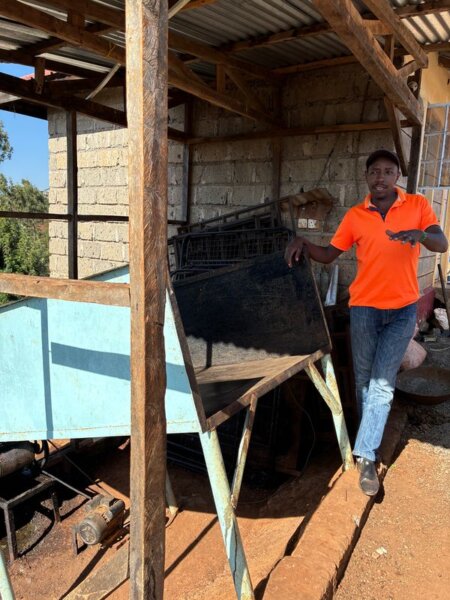
Our partners in Nairobi report that the fly crop is progressing well, with ideal weather for processing cherry & drying parchment. Looking ahead to the main harvest, they expect an earlier start than usual, with first pickings likely in October. We plan to put on 1-2 microlot containers on the early side as usual, with additional volume from mid to late deliveries from our usual FCS relationships & newer estate partners. We’ll continue to cup through auction catalogs in addition to offerings from our regular partners to find the best available coffees for our roaster clients’ needs.
The auction is currently on break until the second week of July, allowing exporters to focus on getting containers through a very congested Mombasa Port. As we’re seeing worldwide, fuel prices are at a record high (around $1.80/liter), ballooning transport costs. Shipping companies have responded & adjusted accordingly.
Available Lots
At time of writing, we’re waiting for the last of the fresh crop Kenya microlots to strip into the warehouse. Reach out to reps for availability of remaining coffees.
Ethiopia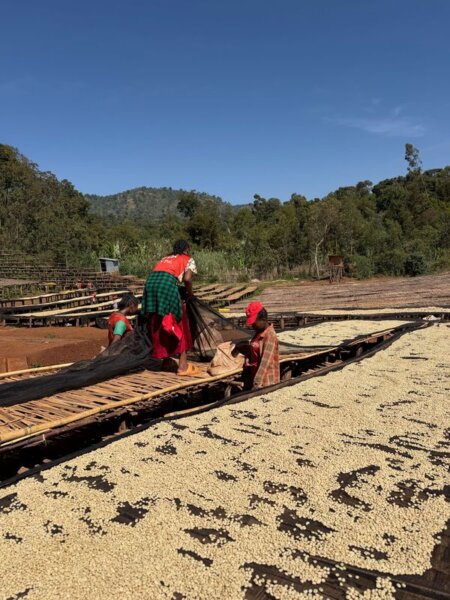
Ethiopia’s harvest formally concluded several months ago. Naturals & lower-grade certified coffees (RFA & Organic) remain available for contract, though washed coffee appears almost entirely sold out due to low production. Expect an outlook on next year’s harvest with our Q4 update.
Prime Minister Abiy Ahmed & his Prosperity Party won re-election in early June with resounding effect. 143 polling locations across the country were reportedly closed, including many in the northern region of Tigray. Abiy’s strong influence on economic growth within Ethiopia has been lauded as proof of concept for his continued popularity. New concerns for violence arise with both the Fano & Oromia Liberation Army & their desire for autonomy from the nation as well as with the Tigrayan People’s Liberation Front in the north, even with a signed peace agreement.
Available Lots
Virtually all of our ‘25/’26 season coffees have now stripped into the warehouses with fleeting availability across all three—CTI NJ, Annex CA, & Dupuy Houston—as our available stocks become committed within a few weeks after arrival. Please reach you to your Red Fox rep soon for any remaining G1 washed/natural & G2 washed needs. We expect to be sold out by fall. Final containers have arrived & will have warehouse availability by mid-July.
Interested in sourcing coffee with us? Reach out at info@redfoxcoffeemerchants.com. To learn more about our work, check out our journal and follow us on Instagram @redfoxcoffeemerchants.