
As we roll into the second half of the 2020s, the only constant has been change. In this piece, we share lessons learned since 2020 from a select group of roaster partners.
The first half of the 20s presented a series of novel challenges, from a global pandemic to shifting political landscapes, trade policy, and unpredictable market volatility, with no real signs of slowing down. Leaping these hurdles has fundamentally altered how we operate, communicate, and plan. We, and those we partner with, have had to move from perceiving any given event as an emergency to a practice of intentionally building stability for ourselves and others in the supply chains in which we work.
To explore this evolution, we’ve broken this reflection into two parts.
In Part 1, we turned the lens inward to share how the Red Fox team has adapted sourcing, acquisition, and communication strategies over the last six years and going forward.
In Part 2, we turn to roaster partners to share insights that have shaped their survival and growth.
A Chaotic New Normal
Since 2020, we’ve collectively faced a gauntlet of unprecedented challenges including:
- A global pandemic and related restrictions
- C market price increases and volatility
- The brief, then long-term, closure of the Suez canal
- Complex and varied weather conditions over various producing countries
- Threat of, then implementation, then rescinding of, broad-scale tariffs on green coffee imports
- Constant container shortages
- Unprecedented inflation
- Consolidation of vessel lines to an almost monopolized extent
- Continued threats to the oil industry in the Middle East
- Various strikes and tense labor negotiations
- And many, many more
This all-out continuous labyrinth of unprecedented crises has created a competitive landscape that demands adaptability, thoroughness, a cool head, and a strong sense of who you are and why you do what you do.
Running a Coffee Company isn’t Casual
Many are initially drawn to coffee work through early experiences feeling at home hanging out in cafes, but running a roasting company requires serious business strategy. It’s not for the casual or the faint of heart.
According to multiple roasters we spoke with, success requires more than just high-quality roasting and intentional sourcing. It demands granular understanding of your margins, disciplined operational decision-making, and intentional marketing. Passion is a powerful motivator, but clear leadership, well-defined roles, and consistent communication are necessary to create a sense of safety and trust within a company.
Integrity Shows Under Pressure
The moments that test your integrity as a business owner are critical to understanding your true values. It’s easy to use the right language during good times, but true integrity comes when margins are tight and making the right decision is difficult or costly. The roaster partners we talked to stuck to their sourcing practices and quality focus even under cost pressures, maintaining focus on their stated values.
We also talked to roasters who had moments of questioning, chose to lower quality standards, and saw their sales drop, leading them to reverse course and maintain differentiation from the larger corporate shops.
Relationship-Based Problem Solving
Lean on Your Network
One thing that several roasters emphasized in our conversations was leaning on your network for knowledge and resource-sharing.
In a decade of unprecedented uncertainty, thoughtful partners and traders are key. Asking questions about gaps in your knowledge is never something to be ashamed of, and that’s what your trade partners are here for (especially sourcing partners like Red Fox). Keeping a regular dialogue helps you navigate uncertainty and make the best moves possible. It can also alleviate some of the stress of feeling like you’re alone in a chaotic situation, when in actuality we’re all in it together.
Avoid Gatekeeping
This also goes for working with fellow roasters, local cafes, and other types of businesses. Information transfer is essential in a service-oriented career. Building genuine relationships and connecting with other roasters and importers creates opportunities that can save your business in a crisis.
Test the Waters & Stay Open
In times of upheaval and uncertainty where it’s more difficult to take decisive action, slowing down to genuinely hear what customers are asking for can help you make good decisions. That can include different roast profiles, different package sizes, educational opportunities, or convenience offerings.
That said, you should also trust your vision and look for alignment of values and loyalty in those you’re listening to. But, understanding that your customers can be allies who love your business rather than adversaries who have no attachment to your company’s continued survival is helpful for having a strong network at every level.
Remember Why You Do This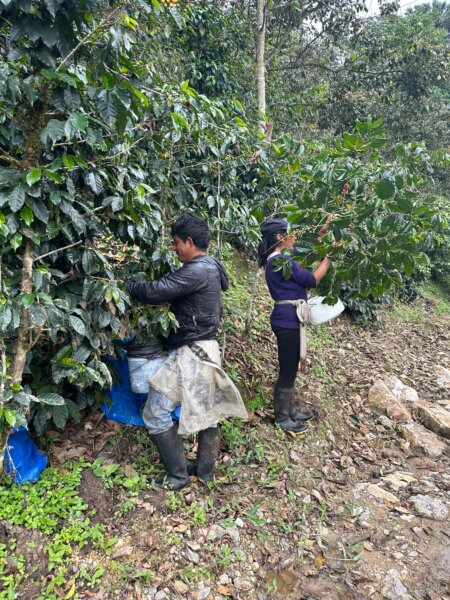
If Quality Matters to You, Don’t Give Up on Quality
Over the last half-decade, the coffee industry has weathered all manner of cost increases, from a high and volatile C market, to massive shipping costs, the highest inflation in decades, and recently-rescinded but not-yet-refunded tariffs.
When costs create financial stress, it becomes even more vital to have confidence in the quality of your product. The roaster partners we interviewed all shared that prioritizing high-quality, worthwhile products justifies cost increases and allows the business to stand behind its offerings and accompanying prices with integrity. It allows you (and your front-of-house workers and sales reps in specific) to explain why you’re raising prices, and have the reason tie back to your values, turning a negative into a positive.
Maintain Perspective
Delays and quality issues are inevitable in the coffee industry. We move a delicate, perishable, premium-quality product across the globe, usually via ocean as well as land freight. It’s crucial to plan contingencies, remain level-headed and flexible, and cultivate patience.
Remember Why You Do This
Through all the complexities of managing positions, bag counts, and per-pound costs, it’s essential to remember why you’re in coffee to begin with, that initial passion that led you to where you are now. That informs your values, how you treat people, and how you approach challenges, and can keep you (and us) from feeling lost even when things are at their most chaotic, uncertain, and challenging.
Stability on Choppy Waters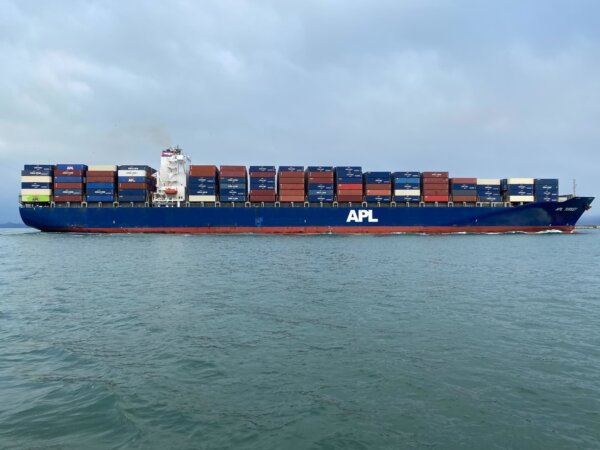
We’ve all had many ups and downs in the first half of the 20s and we’re sure the second half will bring fresh challenges, but the lessons we’ve all learned have been of incredible value in building stability, maximizing agility, and bringing superb coffee to market.