About Ngugu-Ini AB
OLYMPUS DIGITAL CAMERA
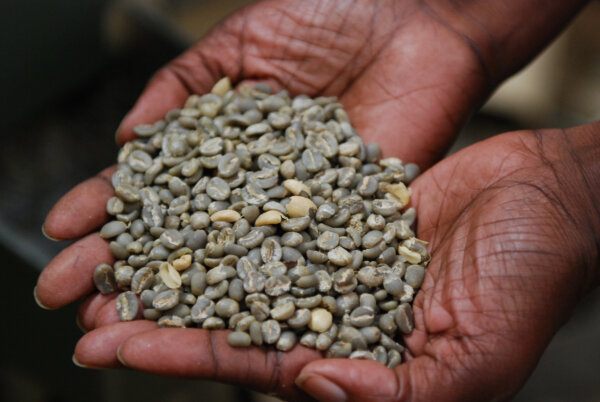 Situated in the Kirinyaga region, Ngugu-Ini factory started in 1958. With 1,200 active members, Ngugu-Ini and the farms that supply it with coffee are in an incredibly rich production area, with an altitude of 1,600 masl and nutrient-rich red volcanic soil.
Producers deliver cherry to the wet mills or collection centers. On arrival, they empty their bags onto floor stations and immediately sort out unripe, overripe, and otherwise defective cherries. After that, they use disc pulping machines to remove the skin and pulp and grade the coffee into 3 density grades. Grades 1 and 2 head separately to the next stage of the process: fermentation. Grade 3 is considered low grade and also handled separately.
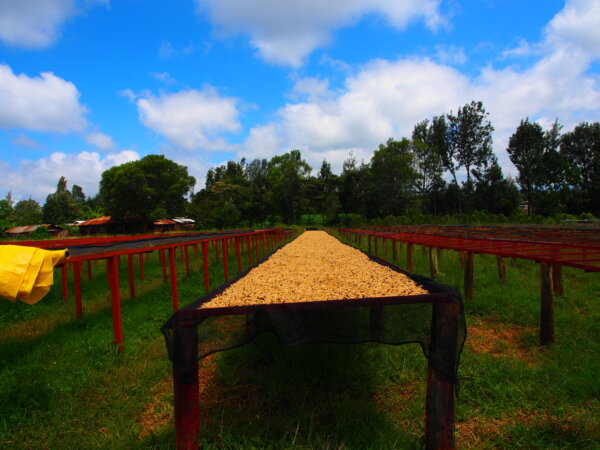
The coffees are dry-fermented in painted concrete tanks, typically for 18-24 hours. When fermentation is complete and the mucilage is dissolved, the parchment gets washed in washing channels and graded again by density. The lighter beans float off and the remaining dense parchment will normally be soaked in clean water for up to 24 hours. After that, drying time varies between 12 and 20 days depending on weather and rainfall.
Ngugu-Ini factory is run by a coffee manager who oversees all activities within the factory. Manager and staff distribute the labor of tasks such as weighing coffee, selecting and grading coffee, paying producers and addressing farmer issues as they come up.
The affiliate members of the factory carry out all agronomic activities associated with coffee production, sourcing coffee from the Coffee Research Station and planting according to the best-practice guidelines. Fieldwork involves weeding, pruning, spraying, applying fertilizer and giving technical advice to farmers.
In an effort to raise awareness on the need to conserve the environment, Ngugu-Ini factory dug their wastewater soak pits a solid distance from their freshwater source, allowing the wastewater to soak in back to the soil where it won’t acidify the freshwater supply.