
As we head into the final quarter of 2026, we’re seeing volatility in the C market, the trade at large, & the global climate (both literal & political). We’re also seeing great coffee on the horizon making its way to the US from Colombia, Burundi, Peru, & beyond. The work remains: stay agile in sourcing, hone & tighten our communications & QC systems, don’t skip steps, & maintain our values in all parts of our work so that we can build stability on all sides of the supply chain as we weather the storms (whether literal or figurative) together.
Read on for deep dives on logistics, the C market, & every origin in which we work. Click here to listen.
Logistics, Port, & Warehouse Updates 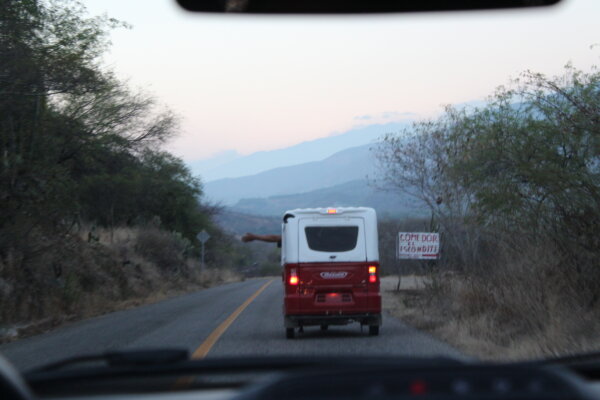
Logistics challenges aren’t easing anytime soon, but we’re maintaining our tight focus on strategy & communications to keep bringing coffees in swiftly.
Impasse in the Middle East
The Strait of Hormuz remains functionally closed, with vessel movement down to 5% of pre-war traffic. Ongoing attacks & an anticipated exclusion zone by Iran will further reduce movement. Increased violence in the Red Sea & Suez, including an August 11 vessel strike in Al Mokha that killed 3 & missile strikes in Oman, has further reduced traffic.
Typhoons in Asia
Typhoons have caused vessel backlogs & berth delays of up to a week in Shanghai & Ningbo. Over 2.4 million TEUs (20-foot equivalent units) of container capacity are stranded from weather disruptions, on par with COVID-19 levels. In India, a cargo surge during monsoon season has booked space through September, with tight capacity likely through Diwali in November. Rule changes for empty equipment at Mundra are expected to worsen congestion.
Drought at Panama Canal
Drought conditions have slowed the Panama Canal’s operations, resulting in a large backup. Ships face transit delays of a week or longer, while rerouting around the Cape of Good Hope adds roughly 10 to 14 days or more. Carriers are implementing surcharges, vessel rerouting, & light-loading recommendations to ease passage.
North American Impacts
Congestion & schedule misalignments from Asian port disruptions will impact US ports in September & Q4, causing overlapping late vessels & missed terminal windows. Los Angeles & Long Beach are experiencing high container dwell times, congestion, & rail car shortages.
A cyberattack impacted North Carolina in August, causing minimal delays but representing a new potential disrupter to keep an eye on.
Overall Capacity & Sailings
Vessel deployment remains at full capacity, but 10% to 15% of standard sailings continue to blank weekly due to lack of vessels or out-of-position ships. Periodic extra loaders (XLs) routed to the US West Coast & Shanghai supplement space rather than adding true capacity.
Rates & Demand
High demand has driven upward market movement, with 2026 peak rate levels surpassing all of 2025 & most of 2024. All trade lanes are competing for capacity, with strong demand expected to continue through Q4.
Supply, Demand, & The C Market 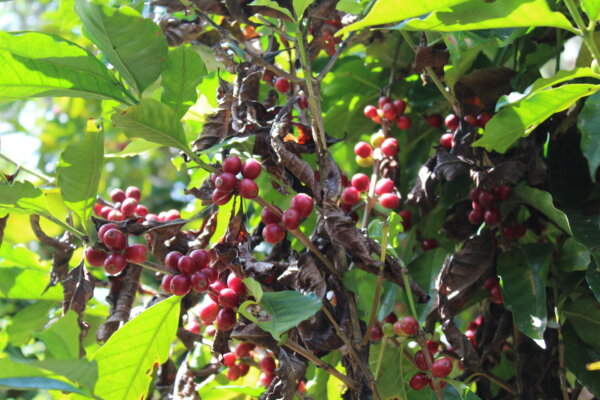
Q3’s C market showed tremendous volatility, rising from $3.00/lb to $3.40/lb before plunging back to the high $2 range. As we head into Q4, Brazilian coffee is moving more freely, concerns over low certified stocks have eased, & the market has relinquished risk premiums tied to harvest delays, quality questions, & near-term availability. That doesn’t mean the market is suddenly comfortable, just that immediate supply anxieties have cooled.
One of the bigger questions this summer was whether Brazil’s difficult harvest weather would allow enough coffee into the exchange, a concern calmed by recent grading. In September, over 18,000 bags of Brazilian coffee were graded with a nearly 84% pass rate—an unusually strong result for that kind of volume, rarely seen. Combined with improved crop flow, these volumes took pressure off certified stocks & narrowed backwardation—the premium on immediate coffee versus future delivery—from over $0.20/lb down under $0.10/lb.
But, as always, there are a few reasons we would be careful about calling this a return to normal. Certified stocks are recovering from an extremely low base. Brazil still needs weather to cooperate, & El Niño remains a meaningful variable across producing regions (something you’ll see in almost every origin we’ll cover in this update).
For Red Fox customers, a dropping C market does not automatically make specialty lots cheaper. The C market is just one piece of the pricing equation alongside local competition, producer expectations, lot availability, financing costs, & exchange rates. The futures market is just that, a prediction of the price of coffee in the future—it’s not the price of coffee right now.
It’s easy to see the C market moving lower & assume relief should immediately flow through the supply chain. Commodity coffee may respond relatively quickly, but the higher-quality coffees we work with hardly ever do. In many of our sourcing regions, top lots remain highly competitive, & producers are making decisions based on the market in front of them, not just the movement of New York futures.
Our work remains unchanged: maintain disciplined buying, uphold strict quality standards, communicate early, & continue building demand around the producers & coffees we believe in. We’ll take advantage of opportunities to create better value for customers, but our goal is not to chase the C market downward at the expense of quality or relationships. The C market is dropping faster than the physical specialty market around it, & understanding that gap will be an important part of planning through the rest of the year.
Peru 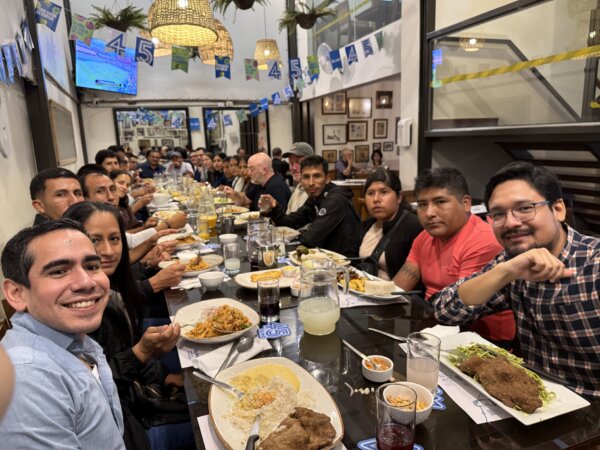
Peru’s coffee production is down this year, primarily because of the particularly volatile El Niño phenomenon which we see affecting practically every origin this quarter. Total volume reduction varied by region, ranging from 10% to 30%. Predictions say El Niño will have even greater effects on 2027’s harvest.
Generally wisdom dictates that El Niño causes rains in the north of Peru & drought in the south. This year, the weather is unseasonable & unpredictable across all of Peru’s growing regions. In both the north & the south of the country, we see unseasonable rains, unseasonable heat, & a mix of the two. For coffee, this means that cherries ripen unevenly & flower out of season. We’re seeing red cherries, green cherries, & flowering happening simultaneously. For the 2027 harvest, we expect deeper impacts on volume if not quality.
As the C market began to come off in September, we saw producers speculating that it would come back up & holding onto their coffee in the hopes that it would. In our recent years of operating in a high market, we learned that there is not a direct correlation between the C market & local market prices for higher quality coffees, but the market does of course have some influence on the cost of the coffees we buy. As the market came off, local prices did not immediately come off, but we are beginning to see slightly lower prices, with producers accepting this shift & delivering coffees again.
At time of writing, we are 2/3 of the way to our target volume in sample approvals. The sourcing team is busy overseeing milling operations at the dry mills in Piura, Cajamarca, Lima, & Cusco. The lab in Lima is also bustling as we continue to receive offer samples & cup pre-ships. We will be receiving offers into November.
On Monday, October 5, the transportation union for cargo trucks in the Paita province of Northern Peru, which includes the port of Paita, declared a transportation strike effective immediately. Truckers agreed to “shut down engines indefinitely” to protest additional costs, port & warehouse appointment systems, & other issues affecting the transportation sector. At time of writing, there is no media coverage of this strike & the information available is limited to a short statement the union issued. We are hopeful that the union & customs agencies can reach an agreement quickly, as we are not able to move any containers to port & already rolled 2 shipments as a result of the strike.
Available Lots
Several containers of 2026 harvest season coffee have arrived at warehouses in New Jersey & Houston. The first California-bound shipments are afloat as well. We will continue shipping fresh coffee on a weekly basis into the new year.
We hope to build a SPOT position of both community & producer lots to last through winter, though first shipments have been booked up prior to arrival. Early indications point towards our Peru positions being committed before spring. Please contact your Red Fox trader sooner than later if you’re planning to book Peru with us this season.
Colombia 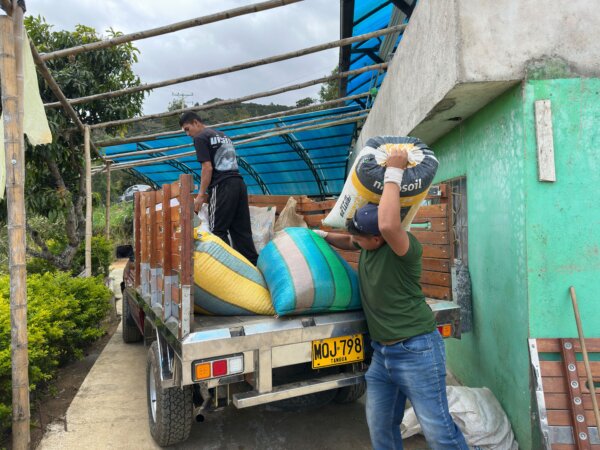
The biggest story out of Colombia right now is the massive & incredibly destructive 7.4 magnitude earthquake that shook the country far beyond its epicenter in San José del Palmar on August 10, killing hundreds. Tremors in the areas in which we work were mild or nonexistent, but the temblor basically put the large port of Buenaventura out of commission, leading to a slowdown in other ports & general congestion. Our coffees are thankfully afloat.
Like many other coffee-producing countries, another major piece is El Niño & its disparate impacts on different areas. Colombia currently faces below-normal rainfall & severe drought conditions. On a recent visit, a key trade partner told us that some producers are investigating irrigation methods due to ongoing dryness. Tablón de Gómez has seen very intense forest fires, some not yet extinguished.
This trade partner has invested heavily in coffee dryers & has switched to buying coffee in cherry & processing on his farm. Now, instead of lots being processed by individual smallholders who struggle to dry their coffee consistently due to weather changes, he can buy their coffee in cherry, remove defects, process, & dry with mechanical dryers for greater consistency.
Overall, Colombia’s producers continue facing myriad climatic challenges as global climate change intensifies.
Politically, Colombia recently elected right-wing candidate Abelardo de la Espriella. Colombia is now another example of a Trump-friendly regime taking control on the South American continent. Currency valuation has been in flux since the election, along with protests of the administration.
On October 6, armed descendents of the FARC-EP engaged the Colombian military in Pedregal, Inzá, Cauca. Pedregal is home to the ASORCAFE producer’s association, the very first group that Red Fox purchased coffee from in 2014. At time of writing, producers have been told to stay in their homes. One casualty has been reported in the neighboring village of La Floresta.
Available Lots
We have a slightly larger slate of community & producer lots coming from both Tablon de Gomez & Inzá this year, so get yours now. We’re donating 5c off each pound sourced this season to disaster relief.
Burundi 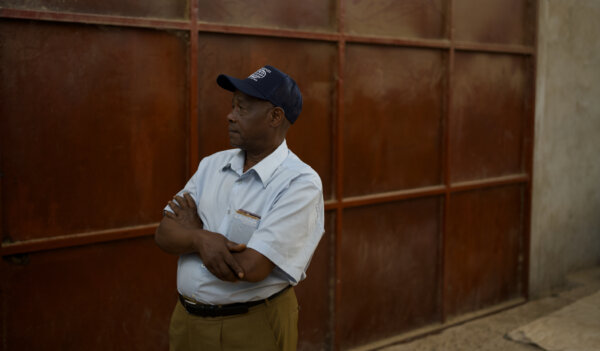
Burundi’s export season is off to a strong start. Our first few shipments are already on the water, arriving in early November. That’s no small achievement in Burundi, where export is typically laden with difficulty & delays.
Last quarter we covered how Burundi’s coffee governing body, ODECA, set a high cherry price despite the market coming off. They didn’t waver & held prices high throughout the season. It will be interesting to see where ODECA lands next year if the market continues to come down, alongside stiff inflation.
For now, Burundi is entering their short annual wet season, when post season maintenance & projects commence. As with the rest of the region, forecasts predict a heavier harvest due to El Niño.
Next year Burundi will hold presidential elections, but the country is currently calm & the incumbent government is stable. There are also no signs of any major swings on a coffee legislation front that could affect production or shipment.
Available Lots
We still have a good volume of washed Kayanza coffees from both Munkaze & Umuco washing stations available pre-arrival, including top Remera & Ruvumu lots. We’re also bringing in more Ngozi offerings from the Nkanda washing station this year, with greater traceability to local communities. There is also a small quantity of a natural Kimira still available.
Rwanda 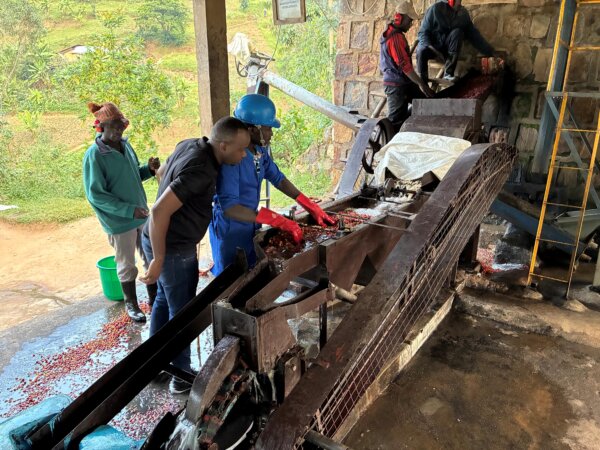
Due to the cyclical nature of Rwanda coffee volumes, Rwanda’s 2026 crop showed an estimated 20% drop from 2025’s harvest. Exporters worried about low prices in June & July, & the late summer market rally saved many who held onto their inventory. Dry mills are now busy finalizing milling & export is currently peaking.
Rwandan export partners are currently seeing a container shortage, but freight forwarders have prioritized coffee export to ensure minimal disruption due to the significance of the sector.
This summer saw a longer, hotter dry period than usual for Rwanda. From mid-May through to the present, the country received very limited precipitation. Forecasts predict heavy rains due to El Niño, but Rwanda has yet to see them. Assuming the rains come soon, predictions expect a good crop, but volumes could be compromised if the weather continues to deviate.
Meanwhile, farmers are busy with normal off-season farm maintenance work.
Available Lots
We’ve still got washed Kanzu available from incoming containers, but they’re selling fast with typical high demand. Make sure to get your name on some if you haven’t yet.
Tanzania 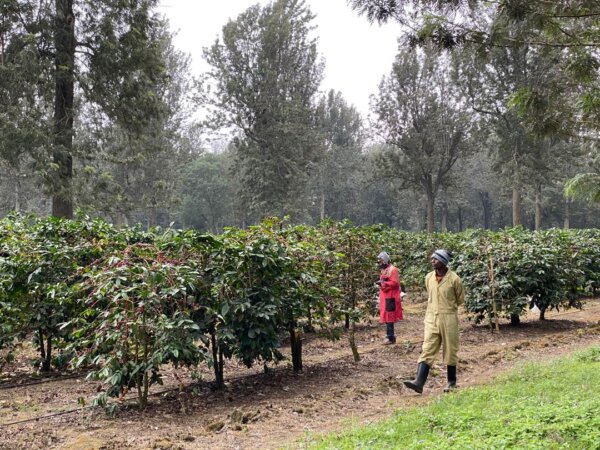
Tanzania partners estimate the upcoming crop could reach approximately 800,000 bags—around 100,000 bags over last year. They estimate that 55% to 60% of the upcoming crop has already been exported or committed for export, while only around 40% has been sold by farmers to exporters. Many exporters went short during the recent recess period, supporting continued demand for available coffees.
Direct export buying, particularly parchment buying, has become Tanzania’s main sales channel. The past 3 years indicate that over 70% of coffee moved through this route. This season, the government-run auction accounts for less than 5% of coffee sold.
Weather conditions in the Southern Highlands remain dry. Forecasts predict rainfall towards the end of October. Meanwhile, the Port of Dar es Salaam continues to operate at a normal pace, with no significant logistical disruptions reported.
Available Lots
We expect a container from Tarime this fall with the majority of its coffees spoken for. We’ve also just received another round of offer samples from producer partners in the southern part of the country. Ask your rep about available coffee from Tarime & other regions in our expanding Tanzania program.
Mexico 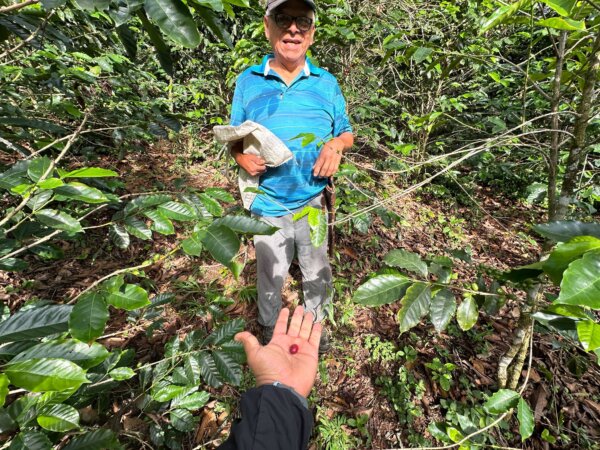
Mexico has fully milled & shipped the 2026 crop & is now turning its focus towards 2027’s upcoming crop.
Most areas are emerging from a positive peak rainy season which saw strong, consistent rainfall leading to excellent crop expectations in Veracruz, Puebla, & Oaxaca’s northern sierra. One partner in Veracruz reported lower incidence of coffee leaf rust this year, implying higher volume & cup quality.
Other areas like the Sierra Sur in Oaxaca are experiencing unusually dry conditions for this time of year, which could pose big challenges for next harvest. All eyes are on the strong El Niño climate pattern beginning to take effect now. We have yet to see how it might hit different parts of the country & what role it will play as the harvest comes in.
One thing is clear across all regions: producers retain firm expectations for continued high prices, mainly due to the increasingly high labor costs that pickers receive. We’ll be in close contact, talking & visiting farmers & partners as we move into the pre-harvest planning season over the next couple of months.
Available Lots
A very small volume of Oaxaca and Veracruz lots remain available in Houston & Oakland. Get in touch for samples or more info.
Ethiopia 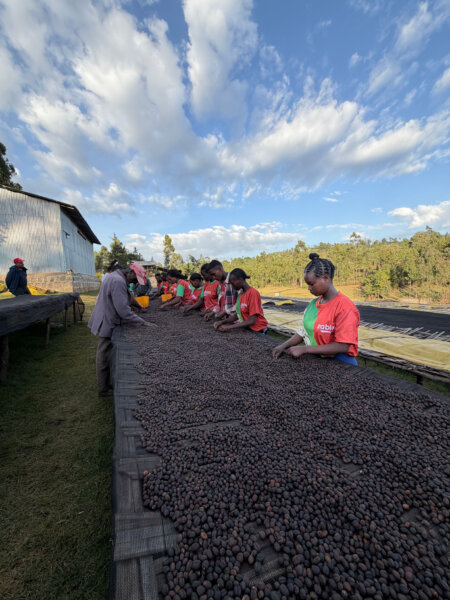
Ethiopia originally forecast a record coffee crop this season, but recent abnormal rainfall across the southern producing areas may be changing that, leaving washed coffee volumes in limbo. Internal political strife, weather patterns, container shortages, security issues for transport through the Red Sea, & the fuel crisis caused by the US-Israeli War on Iran create deep uncertainty as we head into the coming harvest.
Ethiopia is once again embroiled in what look like the beginnings of civil war. On September 21, the Tigray People’s Liberation Front (TPLF) formally announced an alliance called the Alliance for Survival with the Fano militia, the Oromo Liberation Army (OLA), & 4 smaller militant organizations.
Prime Minister Abiy Ahmed’s federal government engaged the TPLF after the TPLF seized airports across the north in the cities of Mekele, Axum, & Shire on September 23. The TPLF alleges the federal government used drones to attack them. The fighting has spread into the northern regions of Afar & Ahamara as well. Gunshots and explosions were heard in Addis Ababa on September 30 as reports indicate an attack on military installations in the capital.
The Pretoria Peace Agreement, signed in November 2022, is officially broken. We now wait and see how the coming days, weeks, & months unfold across the country.
Annual container shortages have become standard in Ethiopia, though shipments continue to trickle out through the Port of Djibouti. The trade awaits updates on the coming crop. Violence in Afar could potentially threaten the trade route to Djibouti affecting imports to & exports from Ethiopia.
We expect to have a big announcement about Red Fox’s future in Ethiopia as we continue to grow roots in the country & East Africa at large.
Available Lots
We’re effectively sold out for the season with just a few bags remaining on the East & Central Coasts. Special spotlight on those last 2 bags of Yukro.
We expect to begin shipping fresh coffee by February as usual. Fingers crossed for renewed peace in Ethiopia.
Kenya 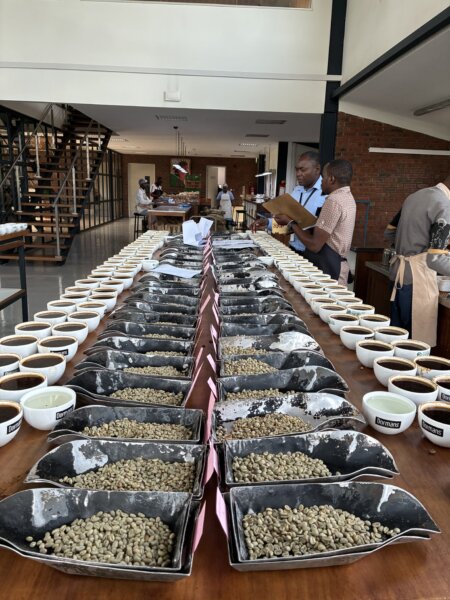
The main story we’re hearing out of Kenya this season is the volatility of rainfall due to El Niño & potential effects on coffee.
Central Kenya is beginning harvest, with reports of uneven ripening due to lack of rains. Once rains begin, sourcing partners expect even maturation as well as another year of earlier deliveries than normal. All indicators point to a slightly larger harvest than last year. Most farmers expect to be done picking by mid-December, though rains will determine the timeline.
El Niño’s potential for heavy rains running later than usual could affect coffee drying outcomes in multiple ways. If coffees don’t get enough sunlight, they can dry too slowly, causing defects. On the other hand, overall cooler temperatures can prevent coffees from drying too quickly, yielding more mature flavor profiles & greater shelf stability. The volatility remains a stresser for producer partners.
We’re looking forward to an earlier visit this year to spend time on the ground with sourcing partners on the farmer & cooperative side, & ensure first containers get moving quickly.
Available Lots
We have a very small amount of New Ngiriama Co-op coffees still available on the East Coast, so reach out to your rep for details.
Bolivia 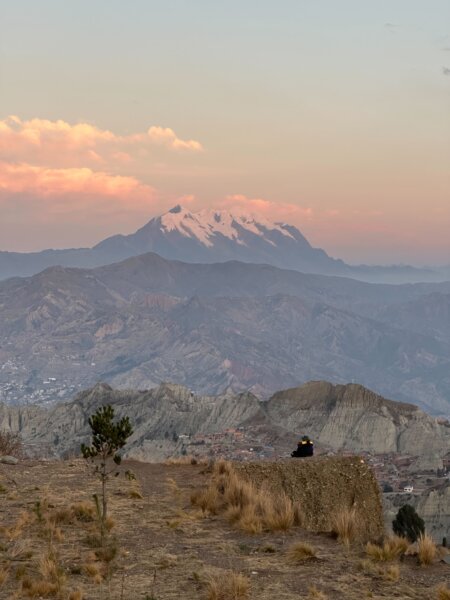
Bolivia’s coffee harvest is now in its final stretch with volumes down from last year, much like the rest of the South American continent except for Brazil.
The country is currently experiencing a full-blown political crisis as labor union & indigenous groups across the country issued President Rodrigo Paz Pereira an ultimatum to resign. Gas prices have skyrocketed to some of the highest levels in all of Latin America. These labor groups, led mostly by the Bolivian Workers Federation (COB), have created a series of blockades throughout the year with current threats to effectively shut down virtually all transit in Bolivia until Paz Pereira resigns.
Available Lots
We expect a small volume of community lots to ship in October, assuming coffee can move from La Paz to the Port of Arica in Chile.
Interested in sourcing coffee with us? Reach out at info@redfoxcoffeemerchants.com. To learn more about our work, check out our journal and follow us on Instagram @redfoxcoffeemerchants.