
As we roll into the second half of the 2020s, the only constant has been change. In this piece, our small-but-mighty experienced global team unpacks top lessons learned since 2020.
The first half of the 20s presented a series of novel challenges, from a global pandemic to shifting political landscapes, trade policy, and unpredictable market volatility, with no real signs of slowing down. Leaping these hurdles has fundamentally altered how we operate, communicate, and plan. We’ve moved from perceiving any given event as an emergency to a practice of intentionally building stability for ourselves and others in the supply chains in which we work.
Prioritize Agility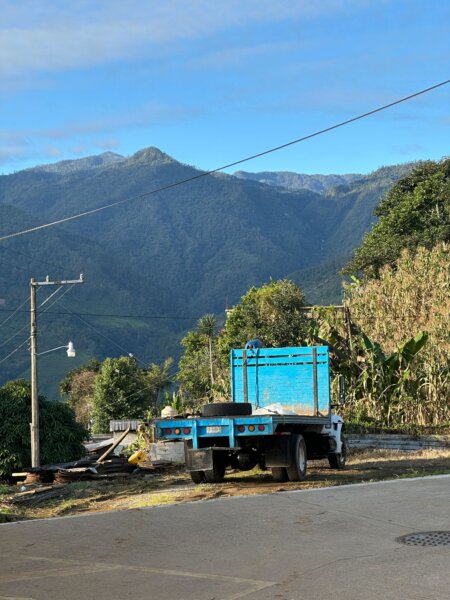
Don’t Shadowbox
The 2020s landed with a big bang that put basically the entire world into react mode. Possibly the most important lesson learned over the last half-decade was to grow from a space of reactivity to one of building in room for agile planning and quick, decisive action.
When the pandemic hit in spring 2020, the impulse for us (as for many) was to follow every bit of news we could possibly find, double- and triple-down on communications, and treat every potential threat as a potential outcome to prepare for and address. There was a lot of whip-quick pivoting for us and for everyone with whom we work, and a lot of stressing over things well outside our control.
Over the last five years, we’ve learned the importance of avoiding shadowboxing. We don’t need to take action on every situation that threatens to occur, we just need to stay across them and take decisive action when and only when it’s productive to do so.
Since 2020, we’ve collectively faced other unprecedented situations like:
- C market price increases and volatility
- The brief, then long-term, closure of the Suez canal
- Complex and varied weather conditions over various producing countries
- Threat of, then implementation, then rescinding of, broad-scale tariffs on green coffee imports
- Constant container shortages
- Unprecedented inflation
- Consolidation of vessel lines to an almost monopolized extent
- Continued threats to the oil industry in the Middle East
- Various strikes and tense labor negotiations
- And many, many more
Quick, decisive action is important, but it’s equally important to be able to screen out the noise and approach with a clear head. When it’s time to make a call, we’re better able to make that call if we spend the time before that moment keeping atop the situation without overthinking the things that are outside our control.
Instead of reacting to every negative news update or landscape shift, we’ve learned how to stay patient and stay true to our core identity and values.
Think Long-Term, but Plan Shorter-Term
Historic growth projections aren’t the most reliable indicators of the future. The safest route for maximal stability is to think long-term, but keep decisive planning to a tighter timeframe. We purchase what we know we need and plan in tandem with reliable partnerships’ actual needs, rather than overbuying. Meanwhile, we keep a close, constant eye on market volatility and potential disrupting factors on the horizon. This also allows us to spot and take advantage of great opportunities as they arise.
Deepen Relationships & Communication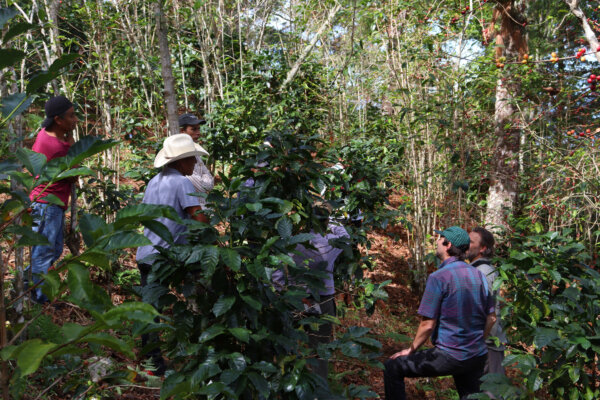
The Power of Physical Presence
Successful sourcing partnerships really do require being on the ground, in the field, at the lab, at the mill, and beyond. Physical presence builds trust, facilitates better communication, and ensures clear understanding of shared plans and standards.
The same is true at every level of the supply chain. Even though coffee sourcing is a global endeavor requiring a far-flung network of contributors making each piece happen, it’s near-impossible to do it without that face-time.
The coffee industry is an interdependent ecosystem. Relationships with coworkers, clients, and suppliers are crucial to producing and delivering great coffee.
Clear, Constant Communication
The first half of the 20s has shown us that clear, constant communication is mission critical, and that no matter how much work we put into it, there’s still always room to improve.
Clarity regarding market conditions and pricing is essential for ensuring every link in the supply chain is informed and ready to do our parts.
Protect Quality & Standards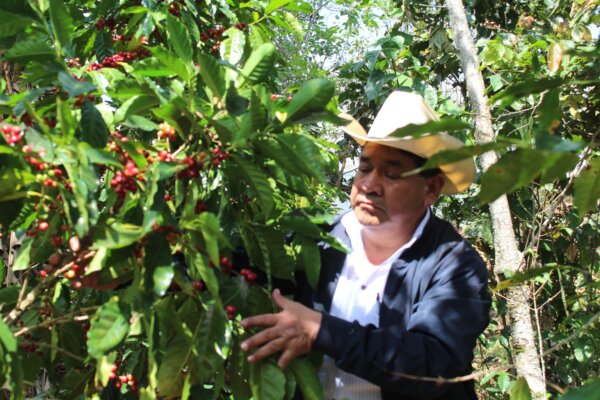
Quality is a Powerful Anchor
At origin we’ve seen over and over that when prices rise, general coffee quality can take a hit. Producers understandably want to capitalize on high prices, so they may rush harvest or processing in order to deliver their coffee faster. When prices are up, opportunistic cash-in-hand buyers who don’t care about quality might become a more appealing option than longer-term relationships with higher quality standards, so the incentive to produce and deliver quality diminishes.
The same dynamic can follow along the supply chain as many want or need to prioritize maintaining the bottom line and end up in a race to the bottom quality-wise. We’ve heard anecdotally from clients who lowered quality standards instead of raising prices, then saw falling sales and reversed course. For them, quality remained an important differentiator in their retail and wholesale appeal over huge corporate competitors.
For us, consistent quality standards have been an anchor keeping us tethered to our core values and what about our work feels important.
Maintain Rigor & Be Willing to Walk Away
Over the first half of the 20s, coffee has challenged the industry with a volatile pricing and competitive sourcing landscape. We’ve worked to dig even deeper when it comes to QC, expanding our boots-on-the-ground presence in the field, mill, lab, and beyond.
The team is more diligent in the lab than ever, and we’re more willing to leave coffee in the field if it fails to hit specification, rather than compromising to fill a contract. A focus on quality and shared, unambiguously-communicated cup standards, has been an anchor for us even when there’s been chaos in other arenas.
Adaptability & Creativity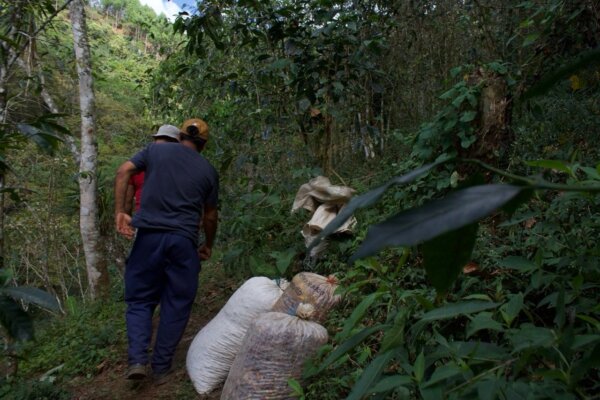
Getting Creative
The rapidly changing market conditions this decade has thrown at us have forced us to think creatively. When one travel route won’t work, is there another that will? If a particular strategy costs more than we can afford but feels like the right direction, is there another approach that doesn’t compromise quality or ethics just to the side of it? Often, there is. Through creating a culture of asking the questions, we’ve been able to maintain agility and grow in areas we didn’t expect.
When the Suez Canal closed for about a week in 2020, it caused so much disruption to supply chains that it would have been unthinkable that we could go multiple years without that route and collectively still manage to bring in coffee at quality, within reasonable time frames. But we have been. We’ve moved from shipping Mexican coffee on the water to almost entirely trucking it overland. We’ve evolved from a strategy of delivering the coffee directly to its final destination in the US to delivering to the safest, quickest location and moving it as needed.
We’ve also brought on new origins, some temporarily, and some long-term, for various reasons. When Latin American coffee was in short supply a few years ago due to Brazil shortages and sky-high prices, we had Tanzanian coffee that perfectly fit the bill with notes of chocolate and orange, as well as the right price point, able to fill the gap. We’ve brought in coffee from Bolivia, Tanzania, and Burundi, some for just a season and some for hopefully many to come.
Stability on Choppy Waters
We’ve had many ups and downs in the first half of the 20s and we’re sure the second half will bring fresh challenges, but the lessons we’ve learned have been of incredible value in building stability, maximizing agility, and bringing in superb coffee.